

Referral Notes:
- The geriatric trauma activation pathway creates a third response category to expedite care for older adults.
- Key interventions include bedside assessments within 30 minutes as well as rapid CT imaging and frailty tests.
- A cascade of multidisciplinary care coordination is activated when appropriate, addressing delirium, nutrition, medication management, and more.
Geriatric trauma patients represent a growing population in the United States. When they present to a trauma center, it’s often because of injury from a low-energy mechanism, such as falls. Tracking with national trends, more than 80 percent of the 1,200 patients admitted to NYU Langone Hospital—Brooklyn with a traumatic injury each year through the emergency department (ED) are 70 and older.
“If these patients don’t meet the criteria for level 1 or level 2 trauma activation, they can still benefit from a higher level of acute therapy in the ED because of their advanced age, risk factors, and comorbidities,” says trauma surgeon Samuel I. Hawkins, MD, medical director of trauma at NYU Langone Hospital—Brooklyn.
The hospital’s site-specific geriatric activation, a lower threshold for trauma team activation, represents a third category of acute emergency response. “Our geriatric activation is an additional pathway to ensure patients are evaluated early for an increased level of safety and protection,” Dr. Hawkins says.
“One of the really spectacular parts of our geriatric activation program is the comprehensive management of our older trauma patients.”
Samuel I. Hawkins, MD
Geriatric activation isn’t exclusive to the Trauma Center at NYU Langone—Brooklyn: what sets this Level 1 Trauma Center apart is the multidisciplinary geriatric specialty care patients of advanced age subsequently receive. “One of the really spectacular parts of our geriatric activation program is the comprehensive management of our older trauma patients,” Dr. Hawkins says. “Our geriatric medicine service represents a model for other trauma centers to emulate.”
Geriatric Activation in the ED
In the hospital’s ED, geriatric activation is initiated for patients 70 and older who don’t meet existing level 1 or 2 activation criteria, such as actual or potential airway compromise or pre-hospital CPR or cardiac arrest (level 1) or fall from any height with head injury on anticoagulants (level 2). Instead, criteria for pathway activation include a suspected injury sustained 24 hours prior to presentation that meets any of these conditions:
- recent head trauma and Glasgow Coma Scale <15
- traumatic mechanism and systolic blood pressure <100 mmHg
- struck by any moving vehicle at any speed
- fall from any height with suspected injury, excluding isolated injury below the elbow or knee
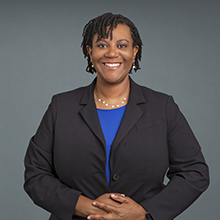
Within 30 minutes of geriatric activation, both an ED and trauma provider will respond at bedside. Patients are also expedited to CT imaging and evaluated for frailty. An elevated frailty score triggers a geriatric consultation with Lauren A. Parker, MD, section chief of geriatrics and palliative care at NYU Langone Hospital—Brooklyn, or another of the hospital’s staff geriatricians.
“We follow patients throughout their hospital stay, communicate with their families, and coordinate with their PCP for seamless transitions of care.”
Lauren A. Parker, MD
“Having a geriatrician with expertise in helping to manage patients’ acute symptoms and prevent delirium can help shape the course of their hospitalization and improve care,” Dr. Parker says.
Unique Trauma Needs of Older Adults
Geriatric trauma care at NYU Langone Hospital—Brooklyn is multidisciplinary and begins with a comprehensive geriatric assessment. Below are examples of some of the care that patients may receive, depending on their needs:
- delirium screening, which is repeated every time the geriatrician meets with the patient, and recommendations for managing and preventing delirium
- coordination with nursing staff to ensure patients have their hearing aids or hearing amplifier, dentures, and eyeglasses
- preoperative recommendations to surgical teams for patients with cognitive impairment at high risk of postoperative delirium
- coordination with nutritionists to address malnutrition and physical therapy to expedite mobility assessments after surgery
- consultation with a speech–language pathologist to evaluate for post-injury dysphagia
- a comprehensive fall assessment to determine cause and identify preventive strategies
A medication review and guidance on polypharmacy and pain management are also common. “Sometimes we’re calling patients’ pharmacies to verify medications,” Dr. Parker says. Recommendations may include reducing or discontinuing medications that may increase risk for falls or delirium, or that are inappropriate for older adults.
“We follow patients throughout their hospital stay, communicate with their families, and coordinate with their PCP for seamless transitions of care,” Dr. Parker says. “We also coordinate with the social work team to evaluate for elder abuse and ensure access to community resources. Our goal is to try to return patients back to baseline as much as possible, with minimal impairment.”
Overall, recognizing the unique needs of older adults in Brooklyn with a lower level of trauma activation in the ED and partnering with the hospital’s geriatric medicine service can help improve patients’ quality of life and provide peace of mind for patients and their families.
“So much of the work in caring for these patients is managing their nontraumatic issues, such as their transition from inpatient to outpatient care,” Dr. Hawkins says. “Our geriatricians are excellent partners and incredibly active and proactive, always adding value to the care of these patients in the hospital and going forward.”