
Referral Notes:
- NYU Langone Hospital—Brooklyn prioritizes timely recovery and achieving excellent surgical outcomes for all orthopedics patients.
- Three new initiatives reinforce the importance of mobility following surgery: video previews of physical therapy exercises, consistent communication from orthopedic and non-orthopedic physicians and providers, and a dedicated team that rounds to address patient concerns.
- Data evaluation techniques will be used to monitor the long-term success of these initiatives, aiming to improve outcomes.
Three new initiatives are helping to improve the quality and speed of recovery after orthopedic and other surgical procedures at NYU Langone Hospital—Brooklyn.
Enacted by a multidisciplinary team of orthopedics leaders, the initiatives are designed to enhance patients’ understanding of their surgery and the recovery process—making them feel more comfortable from admission to discharge.
“As a department, our goal is to have patients up and out of bed on post-op day zero.”
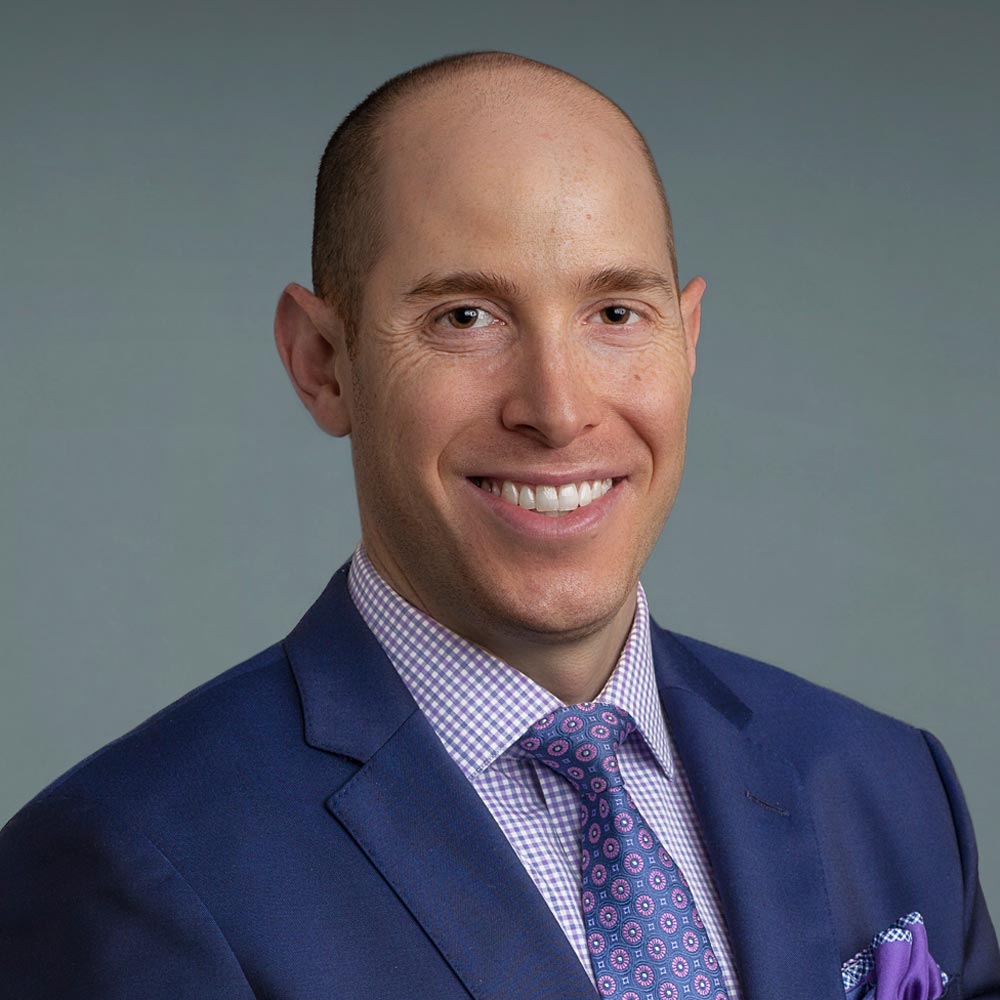
Joshua C. Rozell, MD
“As a department, our goal is to have patients up and out of bed on post-op day zero,” says Joshua C. Rozell, MD, chief of orthopedic surgery at NYU Langone Hospital—Brooklyn. “The systems we’ve implemented aim to help patients recover as rapidly and as safely as possible after surgery.”
Monthly Optimization Meetings
The initiatives were incepted during a monthly orthopedic optimization meeting, where Dr. Rozell gathers with a group of multidisciplinary leaders from patient experience, physical therapy, social work, case management, nursing, and perioperative services to strategize on improving the patient experience within the hospital.
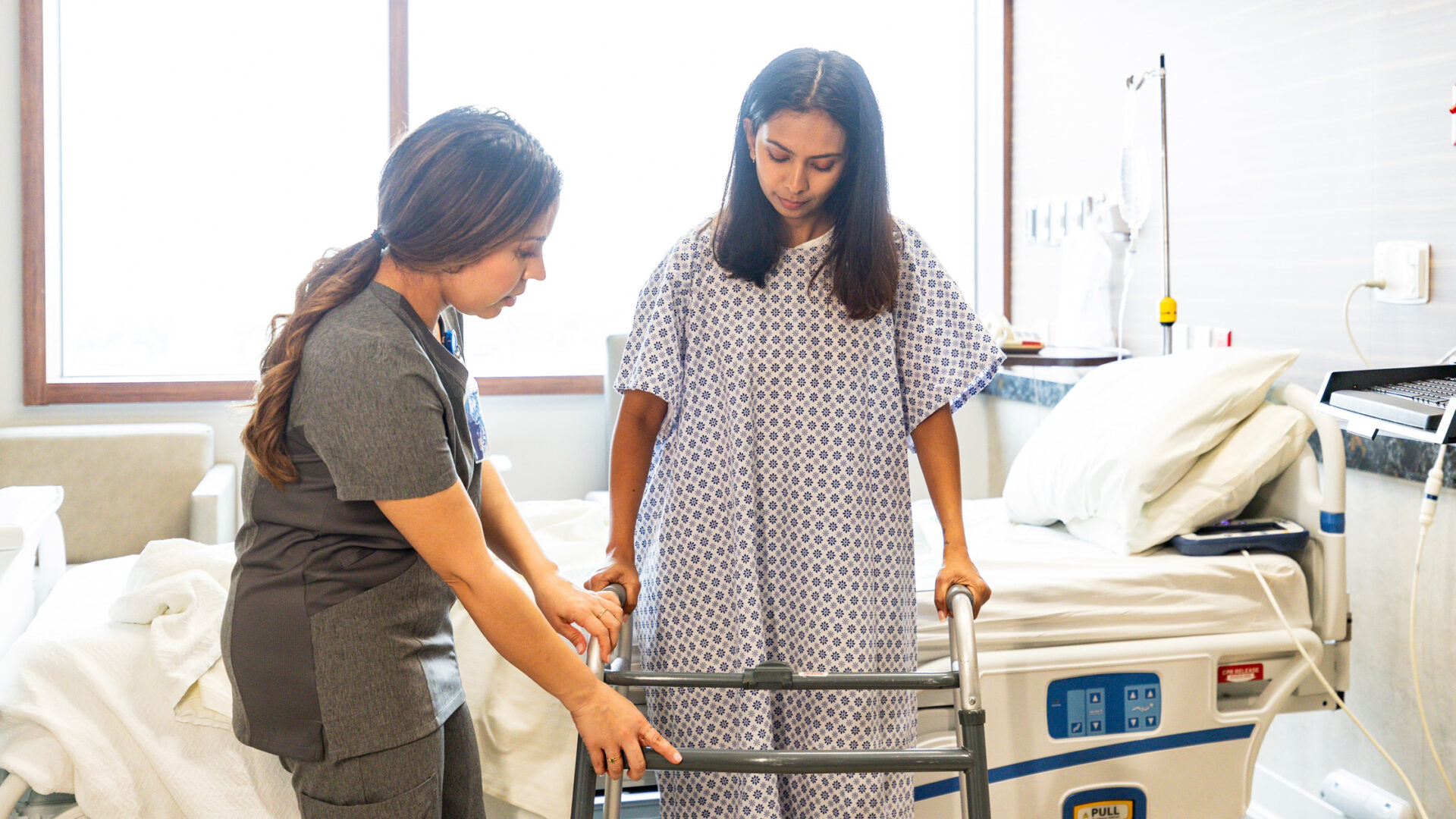
Among their goals is to ensure patients are mobile and out of bed quickly after surgery, thereby optimizing their therapy needs from an early stage.
“Take your typical hip or knee replacement patient,” says Dr. Rozell. “To achieve the best possible outcomes, it’s crucial to have them mobilize quickly and discharged home soon after their procedure.”
Three Strategic Initiatives
Care Companion, the first initiative, is an interactive digital tool built into NYU Langone Health MyChart. This tool allows patients to watch videos about their physical therapy exercise routine while still in bed, helping them to better understand the recovery process.
Each video is uniquely tailored, demonstrating the exercises with the same physical therapist who will be working with the patient in the hospital that day.
“The consistent presence of the same physical therapist leads to better continuity of care,” explains Dr. Rozell, “and strengthens trust between the therapist and their patient.”
“Our goal is consistent messaging.”
The second initiative involves training non-orthopedic nurses to care for orthopedic patients, focusing on the importance of early patient mobilization and discharge—even on post-operative day zero if possible. This training is designed to reinforce the information shared by other staff and improve standardized practices of post-operative communication.
“Our goal is consistent messaging,” Dr. Rozell says, “with the entire team conveying that the patient needs to get out of bed, that it may be uncomfortable, and that we want them to go home as soon as possible where they can recover in a comfortable environment.”
The third initiative is the establishment of a patient relations rounding program to address in-hospital concerns. Specifically, an orthopedics-specific care coordinator, alongside a nursing manager, conduct dedicated rounds to identify patient concerns related to their homecare needs and address questions related to their surgery and recovery—and then resolve them in real-time.
Laying the Groundwork for Change
To achieve lasting change, Dr. Rozell highlights the importance of both successfully implementing these interventions and continually monitoring their impact. Accordingly, future work will assess institution-specific data to evaluate the effects of these initiatives on mobilization and outcomes, as well as to identify additional opportunities to enhance all facets of surgical care.
“Tracking and analyzing our data is a key first step to build a framework for future change,” Dr. Rozell says.