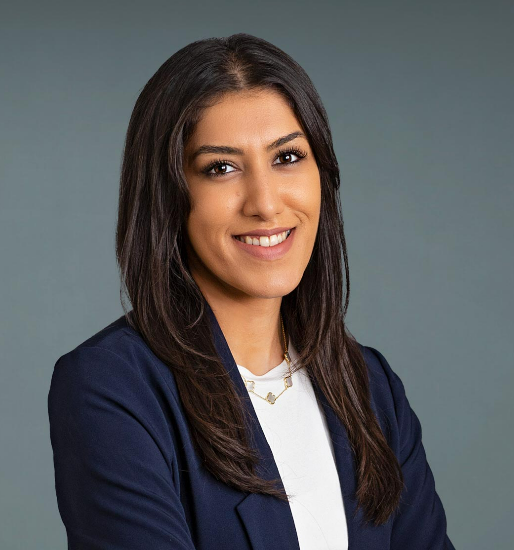

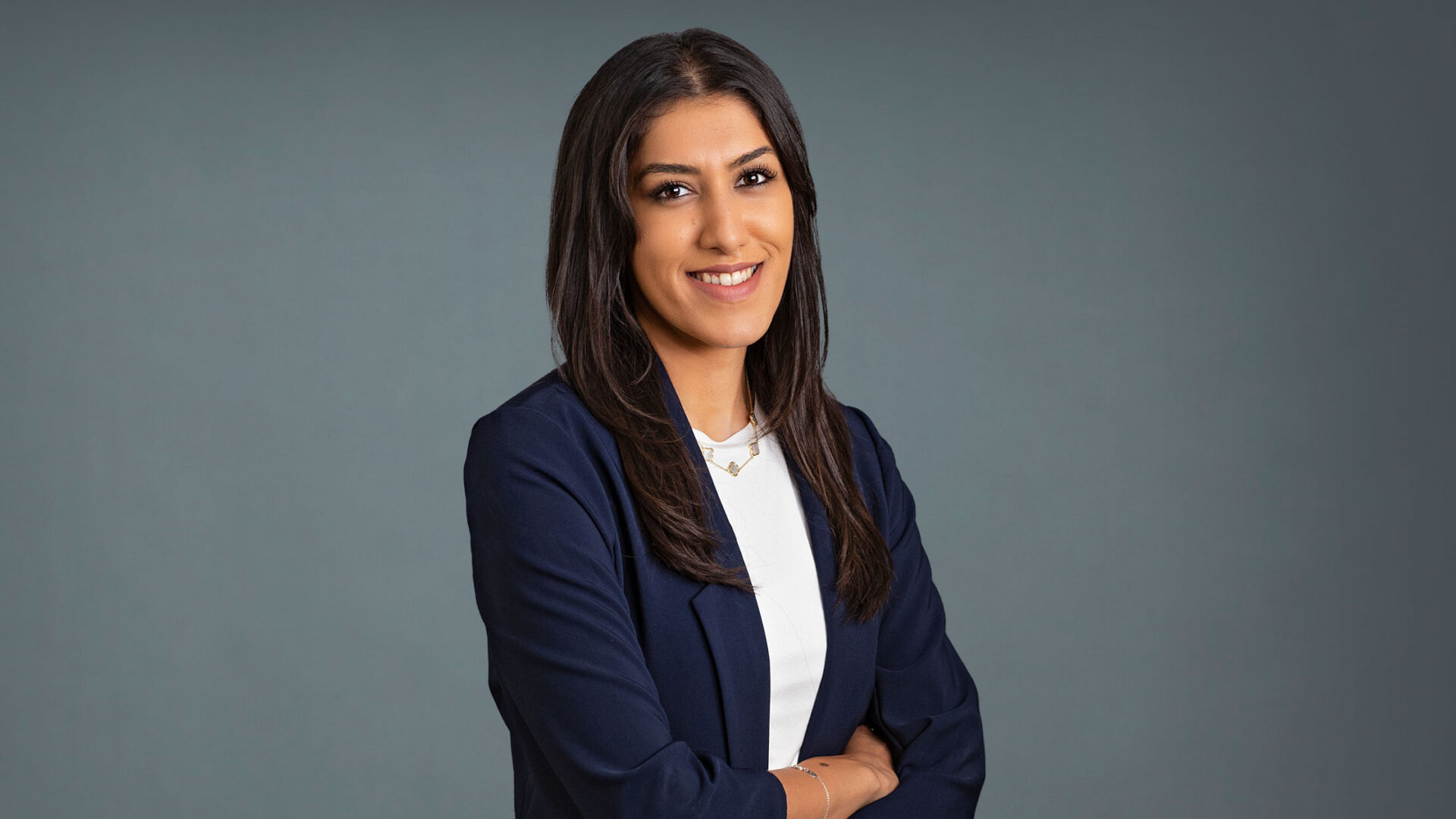
Triple-board-certified endocrinologist and obesity medicine specialist Priya Jaisinghani, MD, is a clinical assistant professor in the Holman Division of Endocrinology, Diabetes, and Metabolism at NYU Langone Health. In July 2026, Dr. Jaisinghani became president of the Tri-State Obesity Society (TriOS), one of the nation’s leading regional obesity medicine organizations.
To further the goal of applying a multidisciplinary approach to metabolic health, TriOS equips clinicians across specialties in New York, New Jersey, and Connecticut to integrate the latest advances in obesity medicine into their practice. Dr. Jaisinghani’s appointment reflects her longstanding leadership within the organization, including her work supporting educational programming, journal clubs, and professional events.
Here, Dr. Jaisinghani shares her goals as president, including expanding TriOS’s role in fostering collaboration and clinical partnerships across specialties.
Physician Focus: Congratulations on your new position leading TriOS. Reflecting on your training, what drew you to obesity medicine and prepared you for this role?
Dr. Jaisinghani: The loss of my grandmother to a massive heart attack inspired me to pursue medicine and become the first physician in my immigrant family. I was drawn to endocrinology because I noticed that many people in my family and community were disproportionately affected by chronic diseases, including obesity and type 2 diabetes. I wanted to play an integral role in treating those conditions and helping patients improve their long-term health.
The intersection of metabolism, obesity, and endocrinology fascinated me and ultimately led me to pursue triple board certification in internal medicine, endocrinology, and obesity medicine. During my endocrinology fellowship at NewYork-Presbyterian/Weill Cornell Medical Center, I had the privilege of learning from Louis J. Aronne, MD, whose mentorship played an important role in shaping my career. As one of the pioneers of the field, Dr. Aronne gave me not only a strong clinical foundation in obesity medicine but also an appreciation for the importance of advocacy, innovation, and multidisciplinary collaboration.
“The future of obesity medicine lies in bringing specialists together for a comprehensive approach to improving patients’ metabolic health.”
Priya Jaisinghani, MD
After joining NYU Langone in 2022, I gained firsthand experience building the multidisciplinary programs and collaborations that underpin effective obesity medicine. I worked with Holly F. Lofton, MD, director of NYU Langone’s Weight Management Program, to develop a comprehensive obesity medicine care pathway that brings together specialists across the health system. I work closely with gastroenterology and hepatology in caring for patients with obesity-related conditions such as MASLD and MASH. I also serve as the official endocrinologist with our sports medicine and orthopedics programs and provide continuing medical education to physicians across numerous divisions, including neurology and cardiology.
I believe the future of obesity medicine lies in bringing specialists together for a comprehensive approach to improving patients’ metabolic health. That collaborative vision ultimately led me to where I am today.
Physician Focus: What are your top priorities for your term, and what impact do you hope they will have?
Dr. Jaisinghani: Obesity is associated with more than 200 health conditions and can affect nearly every organ system. As a result, obesity medicine creates opportunities to collaborate with physicians across virtually every specialty, including internal medicine, cardiology, nephrology, pulmonology, orthopedics, and more, to improve patient care. My vision is to further expand TriOS into a multidisciplinary organization that promotes collaboration and clinical partnerships across specialties.
We have strong evidence that many of the pharmacotherapies used to treat obesity not only promote weight loss but can also provide cardiovascular, liver, and kidney benefits. As our understanding of obesity and its treatment evolves, it’s increasingly important for specialists to work together to address the interconnected metabolic conditions that affect our patients.
Physician Focus: What obesity-related needs or challenges are particularly important for physicians and patients in this region?
Dr. Jaisinghani: In the Tri-State area, there’s high demand for physicians who can treat obesity as a disease using lifestyle, pharmacotherapy, and surgery. Across the U.S. and Canada, there are around 11,500 obesity medicine specialists. That’s not enough to take care of everyone coming for treatment. The challenge is disseminating education so that providers across specialties are comfortable treating obesity as a chronic, relapsing, multifactorial disease and prescribing pharmacotherapy safely and appropriately.
“Whenever people call GLP-1 medications ‘weight-loss drugs,’ my heart sinks a little because these therapies do so much more than that.”
Whenever people call GLP-1 medications “weight-loss drugs,” my heart sinks a little because these therapies do so much more than that. They have pleiotropic effects across cardiometabolic health, and I view them as metabolic therapeutics, not simply weight-loss drugs.
Physician Focus: How will TriOS support clinicians as the obesity treatment landscape continues to evolve?
Dr. Jaisinghani: Beyond GLP-1 and gastric inhibitory polypeptide (GIP) medications, which have created a wave of excitement, medications with new hormonal targets, including glucagon and amylin, are on the horizon. These new medications require us to continually deepen our understanding of the physiology and pathophysiology, and what that means for the patient in front of us.
TriOS will be at the forefront of that ongoing learning. We connect clinicians with leading experts who share their perspectives on emerging therapies, offer real-life, practical guidance for incorporating new approaches into clinical practice, and discuss strategies for collaborating across specialties to support patients navigating complex health challenges.