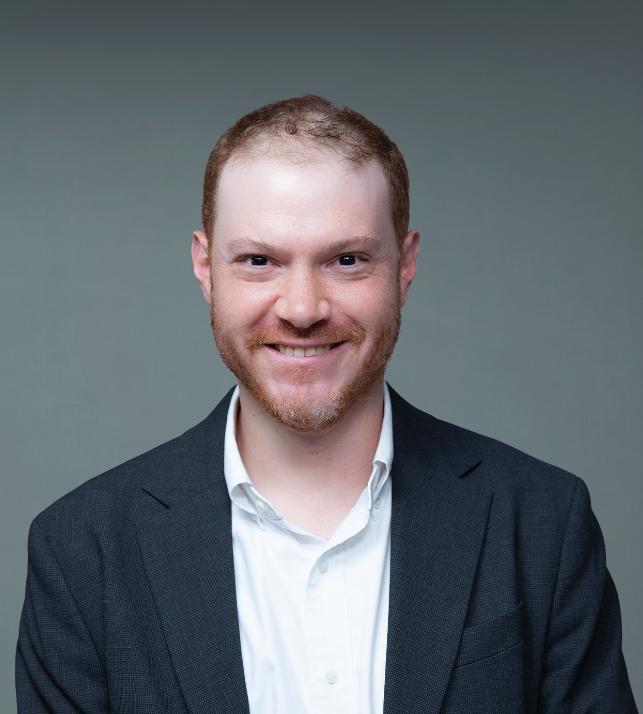

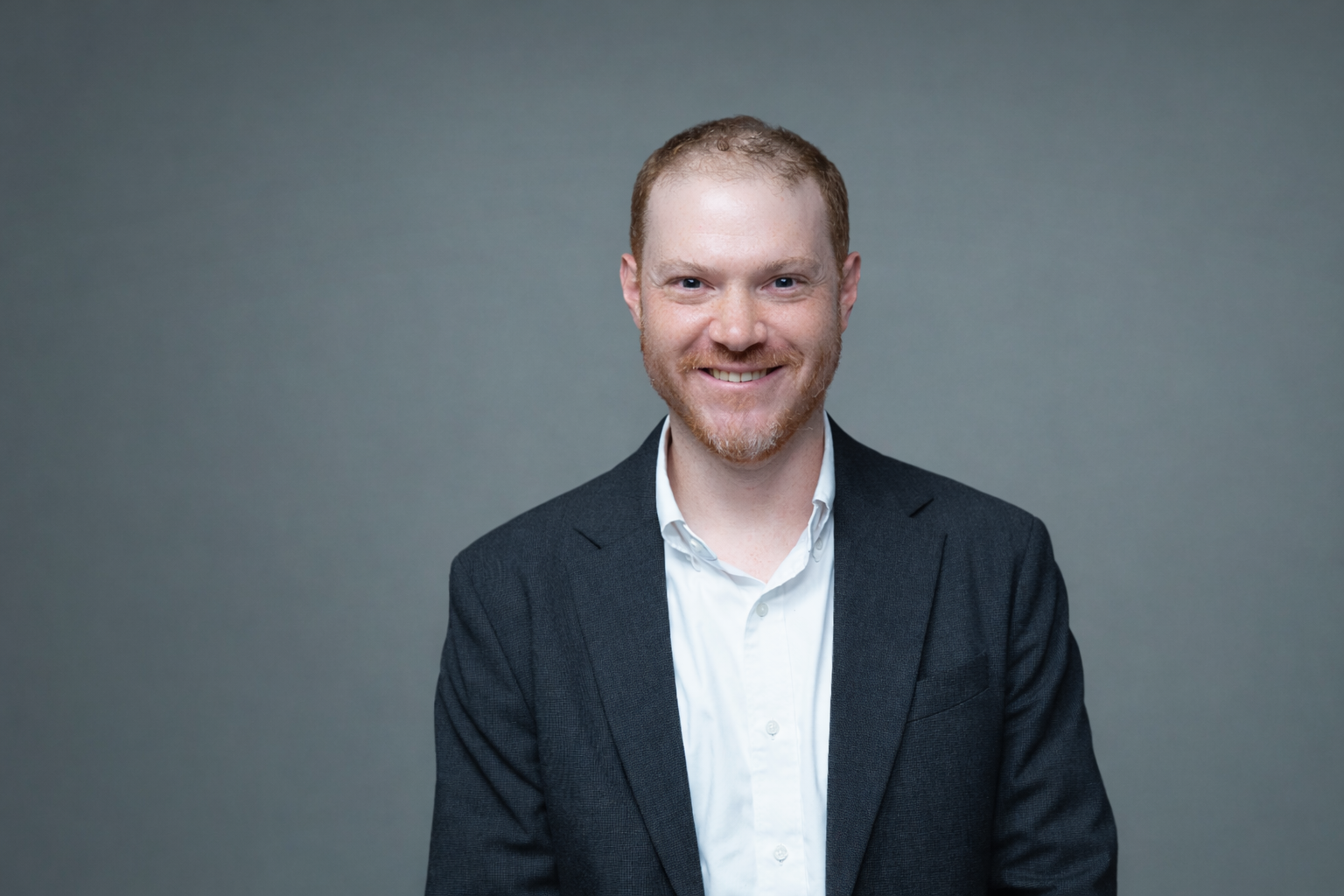
As the new medical director of the Cellular Therapy Service at NYU Langone Health’s Perlmutter Cancer Center, Samuel Yamshon, MD, brings clinical and translational expertise in lymphoma and cell-based immunotherapies to a fast-evolving field. His latest research has demonstrated novel approaches for improving the efficacy of cellular immunotherapy by energizing the immune system, and revealed key factors in the efficacy and safety of delivering these therapies.
With a mission-driven approach to one of the most cutting-edge areas of cancer care, his charge is to improve access, broaden research, and deepen integration across NYU Langone’s network of care.
Here, he discusses what’s next for CAR T-cell therapy and other cellular innovations—and how he will work to make them more widely accessible.
Physician Focus: Dr. Yamshon, what made this the right time to take the helm of the Cellular Therapy Service at NYU Langone?
Dr. Yamshon: There’s tremendous momentum right now in the field of cellular therapy—not just in blood cancers like lymphoma, my clinical focus, but increasingly in solid tumors as well. We’re also at a pivotal moment in terms of access and infrastructure to support the growth of these therapies.
“Cellular therapies have proven to be effective and often curative, but uptake remains limited: Nationally, only about one in five eligible patients receives them.”
Samuel Yamshon, MD
NYU Langone offers a rare combination: an already strong cell therapy program, a deeply integrated health system across Manhattan, Brooklyn, and Long Island, and a clear institutional commitment to expanding both scientific discovery and care delivery. Our ability to seamlessly collaborate across these sites is unique among the hospital systems in the city and part of what made it very exciting to join NYU Langone.
Physician Focus: What are your foremost priorities as you build out the program?
Dr. Yamshon: First, expanding access. Cellular therapies like CAR T-cell therapy have clearly proven to be effective and often curative, but uptake remains limited: Nationally, only about one in five eligible patients receives them.
These therapies are largely confined to a few highly specialized centers. For example, in New York City, CAR T-cell therapy centers are concentrated in Manhattan and the Bronx. Boroughs like Brooklyn and Queens, which have larger populations, currently have no designated cell therapy centers at all, requiring patients to travel for treatment. Further, treated patients often need to stay close to the treatment center to be followed for days, even weeks, which can be a major barrier for those with limited resources.
Our goal is to bring cellular therapy to patients where they are by building designated cell therapy centers in Long Island and Brooklyn, and by expanding access to clinical trials across the system.
“We’re increasingly looking beyond oncology to conditions like lupus and rheumatoid diseases, where cell therapies are beginning to show strong signals.”
In addition to expanding into our physical locations, we want to expand the reach of our research platform—especially with translational studies that inform our understanding of efficacy and resistance mechanisms. We’re working across cancer types and increasingly looking beyond oncology to conditions like lupus and rheumatoid diseases, where cell therapies are beginning to show strong signals in clinical trials.
Physician Focus: You’ve spent your career bridging the bench and bedside. What does that collaboration look like in practice?
Dr. Yamshon: I have worked hard in the past few years to build strong collaborations with laboratory investigators. Much of my work operates as a true “bench-to-bedside-and-back” cycle: Laboratory groups bring us mechanistic ideas, we translate those into early-phase clinical studies, then patient-derived samples and outcomes feed back into the lab to refine hypotheses and identify next targets.
“Much of my work operates as a true ‘bench-to-bedside-and-back’ cycle.”
Several of the trials I’ve led began as experiments I helped design during my own laboratory training, and I’ve had the opportunity to follow those concepts through to patient-level application. For example, work from the lab of Wendy Beguelin, MD, showing that inhibiting the enzyme EZH2 energizes T cells has turned into multiple clinical trials testing EZH2 inhibition in combination with immunotherapy (NCT05994235, NCT05934838); we’re looking forward to continuing this work here at NYU Langone.
Many of my grants are built directly on these collaborative pipelines, which extend beyond the local level to national networks.
Physician Focus: What motivates you most, day to day?
Dr. Yamshon: Taking care of patients. That’s the core of everything for me. I’ve treated lymphoma for nearly 15 years, and it’s personal: I’ve had multiple family members treated for the disease. That experience continues to shape how I approach the clinic—it’s why I’m so invested in pushing this field forward and making sure that everyone who can benefit from these effective therapies can access them.
I’m also incredibly proud of the trainees I’ve mentored over the years. One of the most meaningful milestones of my career was seeing a former resident I mentored get promoted to take over the faculty role I held prior to joining NYU Langone. To know that the work continues, and grows, is deeply gratifying.