

Referral Notes:
- NYU Langone has launched a specialty Diabetes Prevention Program for adults 65 and older with prediabetes, including hearing, vision, and other accessibility accommodations.
- The program is based on NYU Langone’s BRInging the Diabetes Prevention Program to GEriatric Populations (BRIDGE) study and is offered both in person and virtually with Medicare and some insurance coverage.
- The year-long program includes 22 group sessions led by a CDC-certified lifestyle coach teaching nutrition, exercise, stress management, and skills such as meal planning.
Structured Diabetes Prevention Programs (DPPs) that promote healthy lifestyle habits are extremely effectively at reducing diabetes risk. Studies show that participating in such a program can lower the risk of developing type 2 diabetes by 58 percent in adults—rising to 71 percent for those over age 60. Yet, rates of referral to DPPs are low across the country.
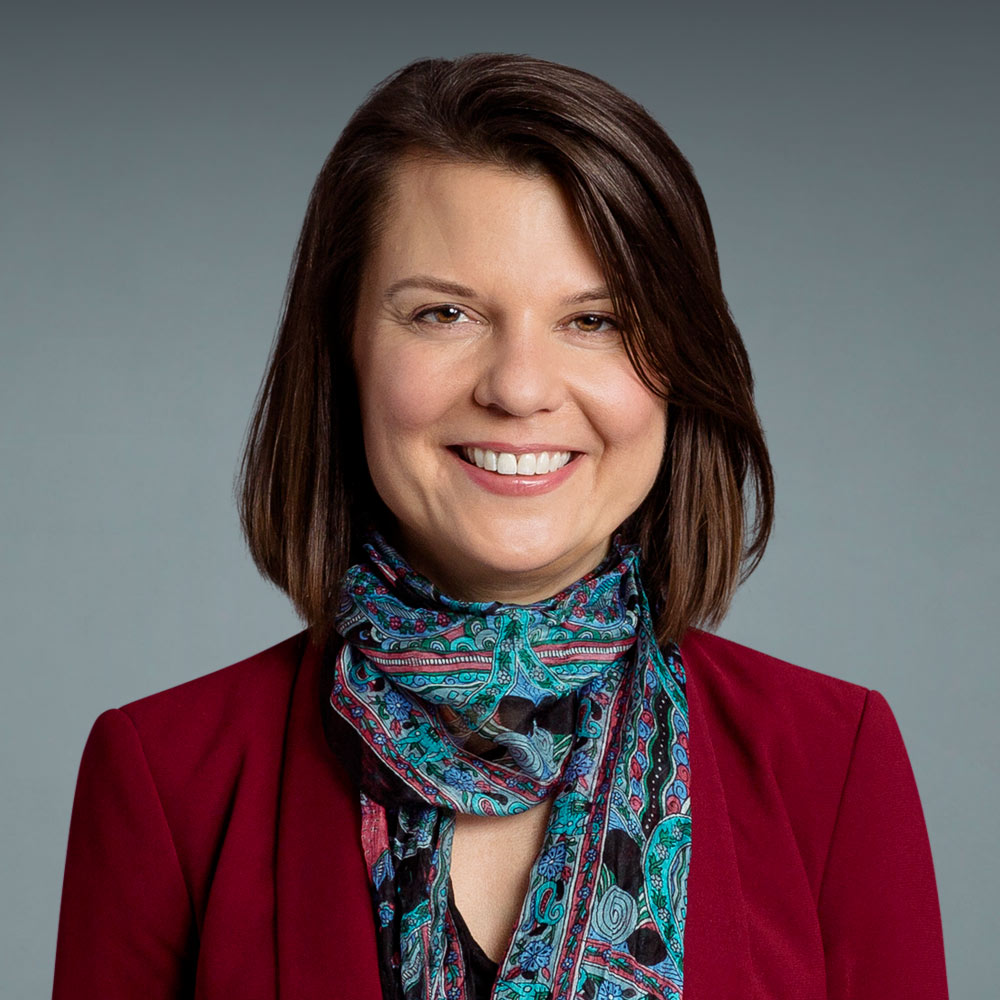
“The more we, as providers, can get the word out to patients about diabetes prevention programs in general, the more people we can help,” says nutrition and behavioral health specialist Emily Johnston, PhD, MPH, a research assistant professor of medicine at NYU Langone Health.
“The more we, as providers, can get the word out to patients about diabetes prevention programs in general, the more people we can help.”
Emily Johnston, PhD, MPH
To help patients age 65 and older with prediabetes reduce their risk, NYU Langone is currently accepting patients for a new specialty DPP tailored to older adults.
“We want to reach more patients with prediabetes and more healthcare providers who can refer to our program,” Dr. Johnston says. “When patients ask if there’s anything they can do to reduce their risk of diabetes, NYU Langone providers have an evidence-based program built right into their health system.”
Built on Research: The BRIDGE Study
The initiative is inspired by the success of NYU Langone’s BRInging the Diabetes Prevention Program to GEriatric Populations (BRIDGE) study, which has completed recruitment.
This study of over 230 older adults with prediabetes is comparing the effectiveness of in-person versus virtual group delivery of an evidence-based, CDC-approved diabetes prevention curriculum. The program is tailored to older adults and focuses on slow, steady weight loss and safe physical activity—from choosing the right shoes to proper hydration. It uses materials with large font and videos with closed captioning and/or transcripts to address hearing or visual impairment. The team also provides one-on-one tech support for participants interested in the virtual program.
“The goal of the new DPP is to build on what we’ve learned delivering the program in a research setting over the past several years to serve more patients.”
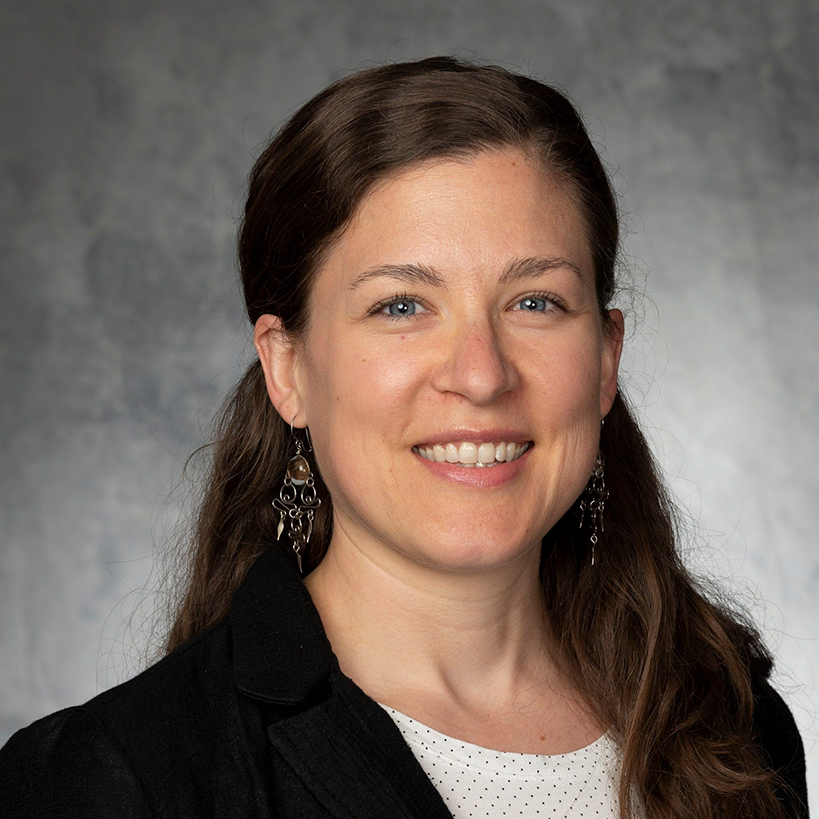
Jeannette M. Beasley, PhD, MPH
“The goal of the new DPP is to build on what we’ve learned delivering the program in a research setting over the past several years to serve more patients within the NYU Langone community,” says Jeannette M. Beasley, PhD, MPH, the BRIDGE principal investigator. “We’re focusing on older adults, but plan to open the program in the future to all adults age 18 and older with prediabetes.”
The new DPP is also covered by Medicare and select private insurers, helping to minimize cost as a barrier.
One Year to Healthier Habits
NYU Langone patients age 65 and older are eligible to enroll if they meet the CDC’s criteria, which include:
- A recent HbA1c laboratory value of 5.7 to 6.4 percent or a fasting glucose level in the prediabetes range (100 to 125 mg/dL), and
- A BMI greater than 25—or greater than 23 for patients who identify as Asian, reflecting the higher risk of diabetes at a lower BMI among Asian population groups.
The DPP doesn’t include weight-loss medication. Participants may use a GLP-1 but the DPP doesn’t initiate or manage it.
“Lifestyle intervention has very low risk and can benefit many other aspects of life as well, such as promoting habits that can enhance longevity.”
Emily Johnston, PhD, MPH
The year-long program features 22 one-hour group sessions led by a CDC-certified lifestyle coach, with sessions offered either in-person at NYU Langone or virtually through a telehealth link. Participants meet weekly for the first three months, every other week for the next two months, then monthly for the final six months.
“During each interactive group session, patients learn about the benefits of healthy eating and exercise habits, stress management strategies for better sleep, and skill-building strategies, such as meal planning, reading food labels, and understanding portion sizes,” Dr. Johnston says.
At the end of each session, participants meet one-on-one with the lifestyle coach for a quick weigh-in and to report their weekly physical activity. Patients attending virtually meet in a breakout room and weigh themselves at home.
To reduce the risk of type 2 diabetes, participants are encouraged to aim to:
- Lose five percent of their starting weight
- Meet or exceed a physical activity goal of 150 minutes of moderately-intense exercise per week
- And achieve a minimum 0.2 percent reduction in HbA1c.
“Lifestyle intervention has very low risk and can benefit many other aspects of life as well, such as promoting habits that can enhance longevity,” Dr. Johnston says. She notes better brain health as a key benefit providers may want to emphasize. “Poorly controlled diabetes can increase risk of dementia,” she says.
Connection that Drives Results
The program will be offered to a new cohort every six to eight weeks, with the same cohort meeting together for the duration of the program. “The group gets to know each other and builds camaraderie,” Dr. Johnston says. “We encourage participants to share their experiences, so they have social support as well as motivation from the coach.”
“A year-long program can be a major time commitment,” she adds, “but we’ve had great feedback from participants who tell us it really changed their habits and their lives.”
Patients and providers can contact the NYU Langone DPP at NYUDPP@nyulangone.org and can find a full list of national DPP lifestyle change programs on the CDC’s website.