

Referral Notes:
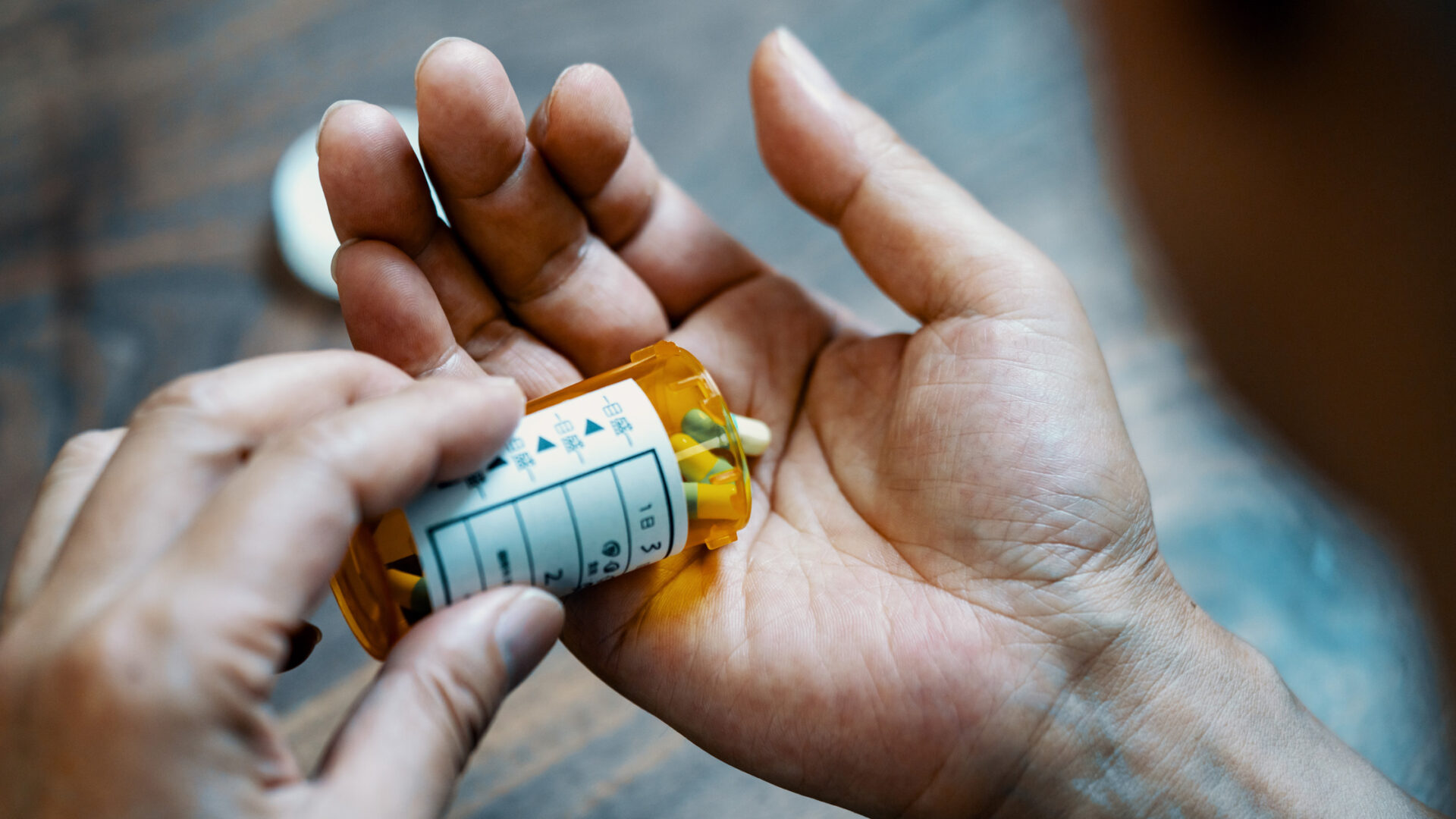
- A study of 400 adults with high BP tested whether cash incentives could improve medication adherence, using electronic pill bottles to track each time medication was opened.
- Participants offered cash rewards opened their BP medication 71 percent of the time, compared with 39 percent in the group without incentives.
- Despite this difference, both groups showed similar BP reduction after six months.
- It’s unclear whether participants actually took the medication each time they opened the bottles or if other factors played a role.
People with high blood pressure (BP) were almost twice as likely to take their BP medication regularly when offered daily chances to win cash, but their BP did not improve any more than those who received no financial incentives, a new study shows.
These are the preliminary findings from the from the Behavioral Economics Trial to Enhance Regulation of Blood Pressure (BETTER-BP), which were presented at the American Heart Association’s Scientific Sessions 2025 and simultaneously published in the Journal of the American College of Cardiology.
“Financial incentives clearly worked, but we were surprised that this didn’t lead to significantly better blood pressure control.”
John A. Dodson, MD, MPH
“We’re always looking for ways to improve medication adherence among our patients with heart disease,” says John A. Dodson, MD, MPH, principal investigator and lead author of the study and director of NYU Langone Health’s Cardiovascular Digital Health Laboratory. “Financial incentives clearly worked during the study—people in the rewards group took their medication much more consistently. But we were surprised that this didn’t lead to significantly better blood pressure control.”
BETTER-BP
BETTER-BP included 400 adults from three community health clinics in New York City. These clinics primarily serve patients with Medicaid and those without health insurance—groups that often struggle with uncontrolled BP and have difficulty following prescribed treatments.
About two-thirds of participants were entered into a program in which they could win cash rewards for taking their BP medication, and the remaining third were in a control group that didn’t get this incentive. Before the study began, everyone reported that they were not consistently taking their medication as prescribed.
To track how often participants took their pills, the research team used electronic pill bottles that recorded each time the bottles were opened, rather than relying on participants to self-report. At the start of the study, the average systolic BP was 139 mm Hg.
Participants in the rewards group were entered in a daily drawing for cash prizes from $5 to $50, but only if they opened their pill bottle the day before, showing that they took their BP medication. Each day, they received a text message about whether they won money. If they missed a dose, the study app sent a reminder that they could have been eligible for a reward if they had taken their medication. Those in the control group didn’t receive text messages or have a chance to win money.
The study lasted 12 months—6 months with rewards, followed by 6 months without, to see if participants’ healthy habits continued when the incentives stopped.
Key Study Findings
Financial incentives appear to have doubled consistent medication use. About 71 percent of participants in the rewards group opened their BP medication regularly (at least 80 percent of the time during the six-month study period), compared with 34 percent in the control group.
Despite these differences, both groups saw similar drops in BP. After six months, average systolic BP fell by 6.7 mm Hg in the rewards group and 5.8 mm Hg in the control group. “It’s unclear whether participants opened the bottles without taking the medication, or if other untracked factors, like different medications or lifestyle behavior, affected their blood pressure,” says Dr. Dodson.
“There’s still a lot we need to understand about what helps people stick with healthy habits long term.”
Furthermore, after the incentives ended, participants’ medication habits returned to what they were before the study. “We were surprised by this,” Dr. Dodson says. “This shows how complex behavior changes really are. There’s still a lot we need to understand about what helps people stick with healthy habits long term.”
Limitations
The study had several limitations. The electronic pill bottles tracked when participants opened their bottles, but not whether they actually took their medication. Also, researchers monitored only one BP medication per person, even though many participants were prescribed multiple drugs to manage their BP.
In addition, BP was measured in clinic at just three points—at the start of the study, at 6 months, and at 12 months (6 months after the rewards ended)—rather than through more-frequent home monitoring, which might have produced different results.