Amid a surge in clinical trials that have provided lifesaving treatments for patients with lymphoma, the identification of more than 100 distinct disease subtypes has underscored the growing need for individualized care. In response, NYU Langone Health’s Perlmutter Cancer Center, through its Center for Blood Cancers, has dramatically expanded its world-class hematologic malignancies program across its regional network, bringing next-generation, increasingly personalized lymphoma treatments—including cellular therapies, immunotherapies, and antibody-based treatments—closer to where patients live.
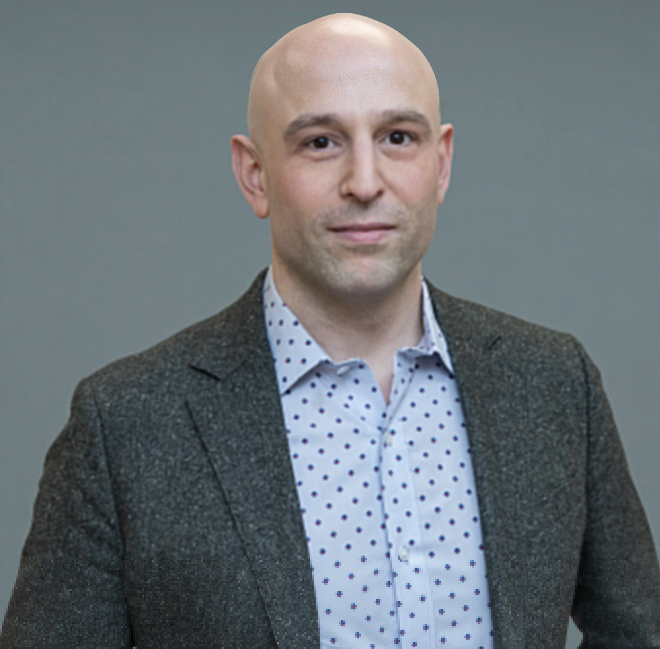
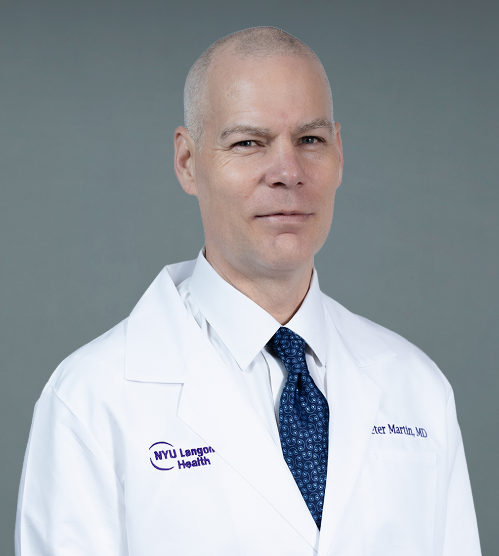
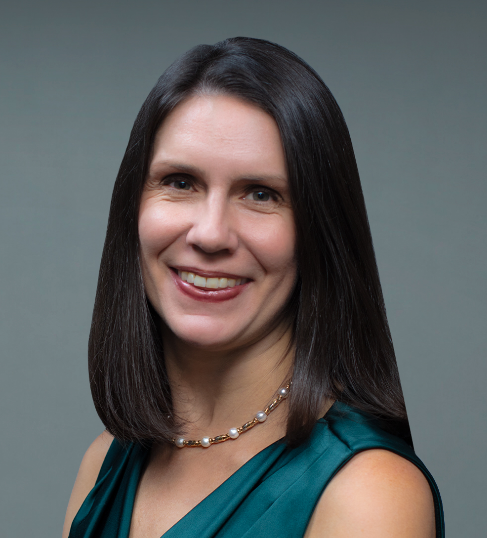
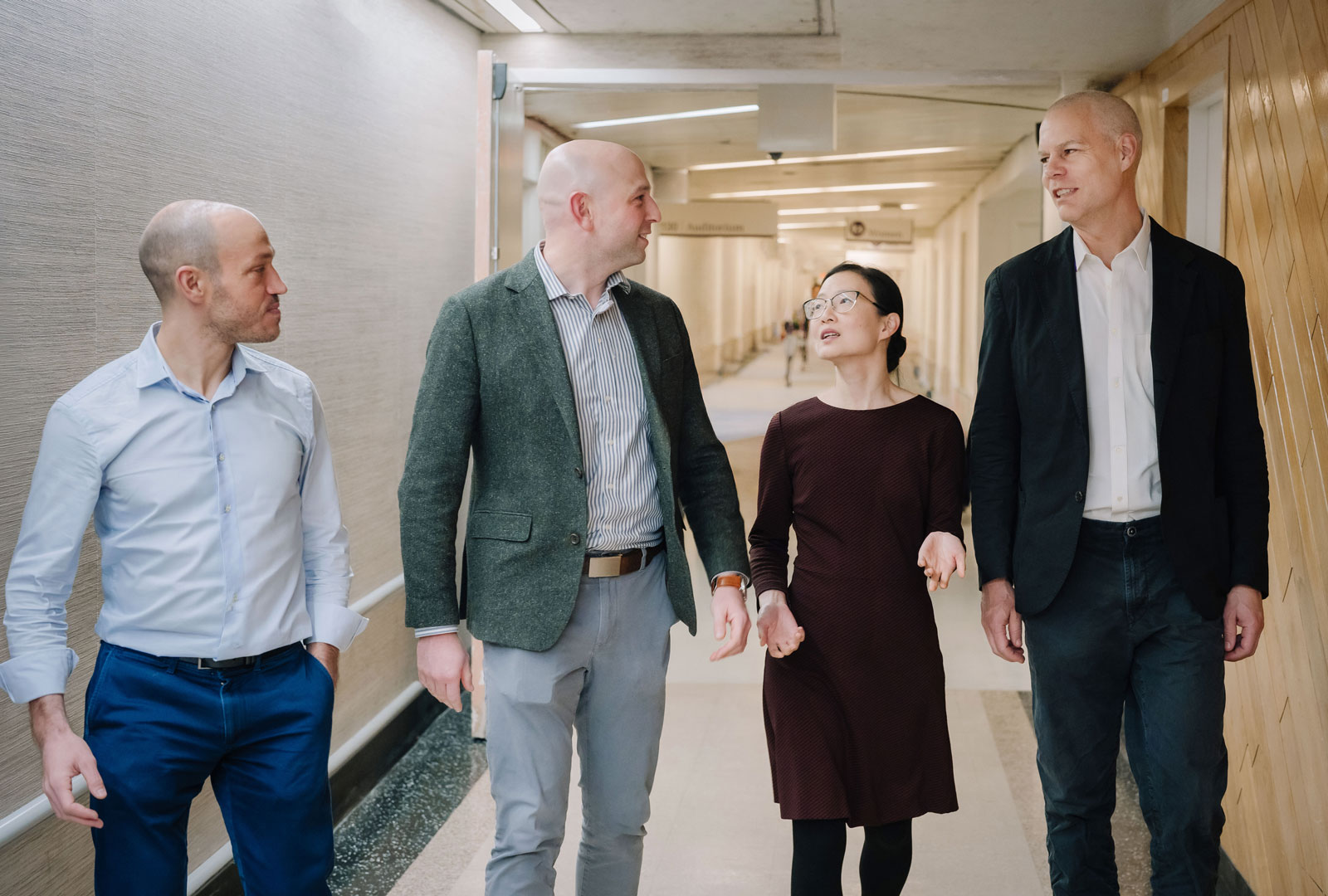
Here, specialists Peter Martin, MD, Adam Kittai, MD, and Sarah C. Rutherford, MD, discuss the vision and strategy behind the center’s growing breadth and depth of lymphoma expertise.
Physician Focus: How is NYU Langone expanding its lymphoma program to bring specialized care and clinical trials closer to patients?
Dr. Martin: Our lymphoma program has a long history of tremendous clinical experience and a commitment to providing high-quality care through world-class physicians like Catherine S. Diefenbach, MD, Michael L. Grossbard, MD, Kenneth B. Hymes, MD, and Bruce G. Raphael, MD.
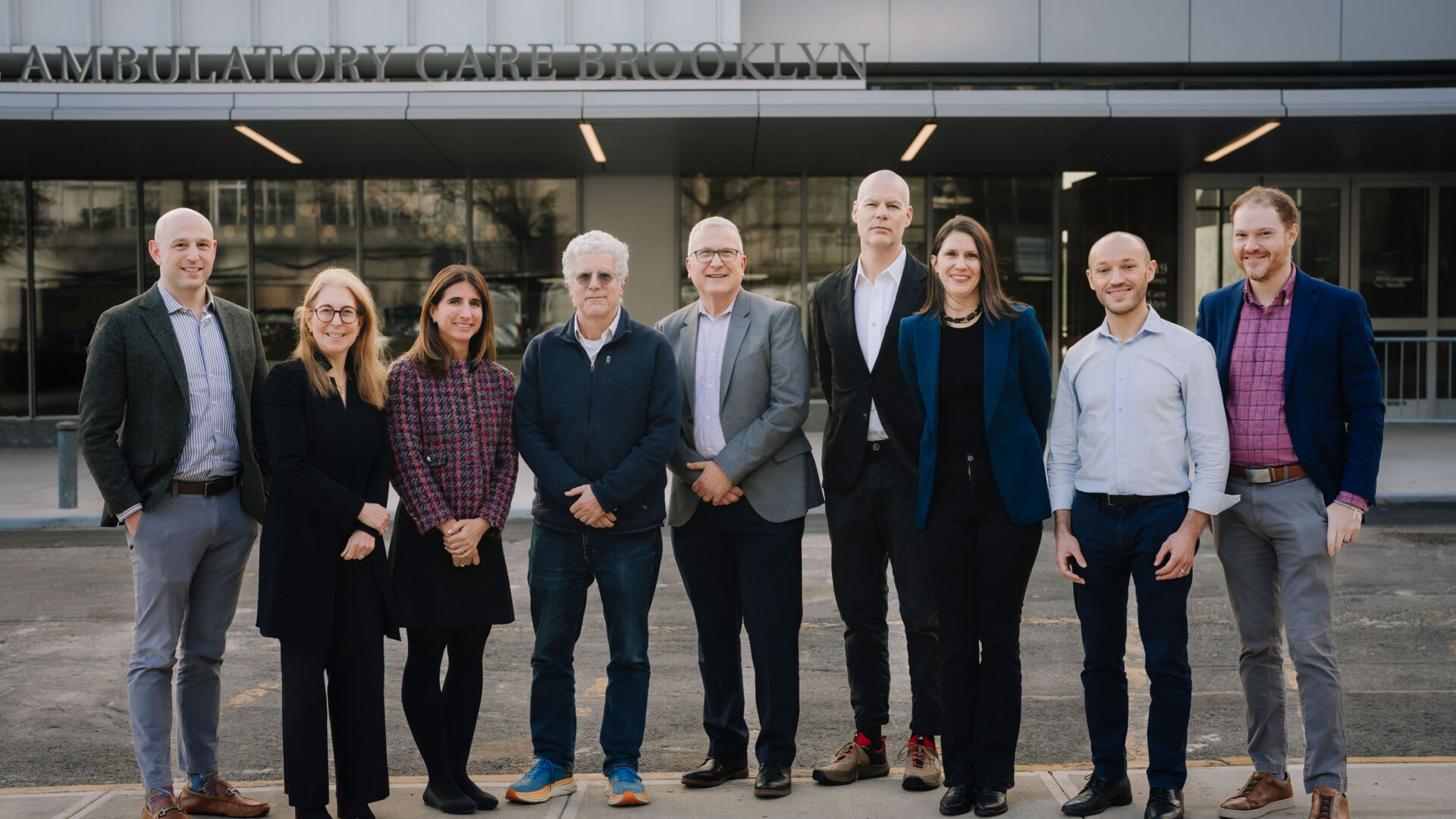
Over the past few years, we have expanded the scope and depth of our lymphoma clinical care and research. As part of this initiative, there’s been a recognition that patients with lymphoma come from all over the tri-state area, and that continuing to provide high-quality care means placing specialized lymphoma expertise closer to where patients live. I think you’ve seen a determined and specific effort to do that. I joined recently and see patients in both Manhattan and Brooklyn. We’ve also added Oscar B. Lahoud, MD, and Daniel K. Reef, MD, in Brooklyn; John P. Leonard, MD, Lisa G. Roth, MD, Samuel Yamshon, MD, and Dr. Rutherford in Manhattan; and Dr. Kittai in Long Island.
Dr. Rutherford: From a research standpoint, Dr. Diefenbach, director of the Clinical Lymphoma Program, has built a strong clinical trial program, and that robust research infrastructure was a major draw for me. For example, we are opening a clinical trial in follicular lymphoma led by Dr. Reef in Brooklyn and Dr. Kittai on Long Island. Our approach will give patients better access to clinical trials in a way that I believe is unique in the region.
“Having this opportunity to work within my community on Long Island, where I was born and raised, and bring expert-level care directly to where people live is such a privilege.”
Adam Kittai, MD
Dr. Kittai: I couldn’t agree more. We wouldn’t have come if there wasn’t already a strong, established lymphoma and hematologic malignancy presence to grow on. Having this opportunity to work within my community on Long Island, where I was born and raised, and bring expert-level care directly to where people live is such a privilege.
Another important aspect is that we are recruiting physicians with highly specialized clinical and research expertise. For instance, Dr. Martin is an internationally renowned expert in mantle cell lymphoma, while Dr. Yamshon specializes in CAR T-cell therapy in lymphoma. With this expansion, we are able to do deep dives into these disease subtypes and provide specific, expert-level care.
Dr. Martin: On some level, we’ve always been practicing precision medicine by putting the patient at the center of our practice. But we’re also in the middle of this technological shift that allows us to gather more information, faster than ever before. With our large patient volume, we have the ability to use these emerging technologies to better understand the differences not only among lymphoma subtypes, but also among the individual patients that make each case unique. Our multiple myeloma group is a great example of how we’re leading the way in understanding genomic profiles.
Dr. Kittai: Our broad geographic reach, combined with academic expertise in collecting and analyzing samples, uniquely positions NYU Langone to help advance targeted therapies for diverse patient populations.
Dr. Rutherford: Another area of precision medicine that we’re particularly interested in is detection of measurable residual disease (MRD). Dr. Kittai has been using this approach for years in chronic lymphocytic leukemia, but its application is newer for other kinds of lymphoma. I envision MRD assessment helping us tailor patient care by identifying treatment response early, which would allow us to scale back treatment to minimize toxicity or switch to a different therapy that may work better.
Physician Focus: How is translational research aiding the program?
Dr. Rutherford: I’ve worked with Leandro Cerchietti, MD for years. He’s a brilliant scientist known for his research on the tumor microenvironment of B-cell lymphomas. Recently, he found evidence that GLP-1 receptor agonists may have an anti-lymphoma effect via their impact on the tumor microenvironment. We’re now planning a clinical trial in patients with slow-growing lymphomas, proposing 6 months of treatment with one of these agents and using endpoints like circulating tumor DNA to help us understand their impact.
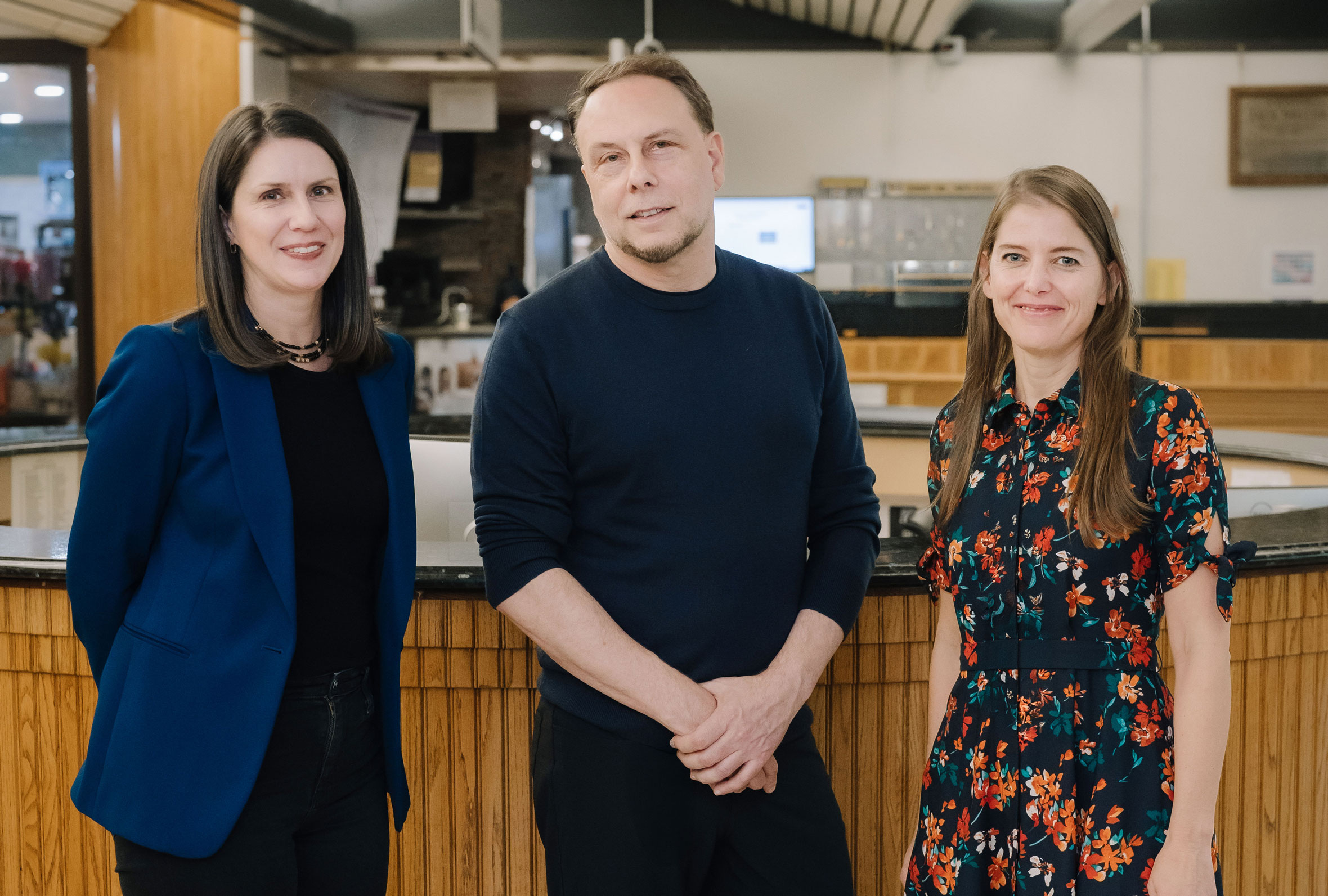
Dr. Martin: Wendy Beguelin, PhD has an avid interest in understanding why follicular lymphoma starts, how immunological changes occur in lymph nodes, and how we might intervene early versus after the disease is established.
Every patient we see in the clinic raises dozens of questions, and we can turn to these brilliant scientists and say, “I just saw this and I don’t fully understand it. What do you think?” And that exchange goes both ways. I think this interaction between experts who have the same shared goal but come at it from different approaches is the real definition of a translational program.
“This interaction between experts who have the same shared goal but come at it from different approaches is the real definition of a translational program.”
Peter Martin, MD
Physician Focus: How is NYU Langone expanding access to clinical trials, including in underserved communities?
Dr. Kittai: NYU Langone has a unique and strong infrastructure for this, and it was a huge draw for me. Because our Manhattan, Long Island, and Brooklyn sites are linked, when we open a trial at one site, we can automatically open that same trial at another site. It brings trials closer to where patients live and allows for easier enrollment. Our goal is to have a trial available for every patient who walks through the door. We are also expanding our efforts to other areas, including Staten Island.
Dr. Martin: Over the past decade, clinical trials have literally saved the lives of many of the participants, and maybe in lymphoma more than any other cancer. We have more than a dozen trials in the pipeline right now, which will greatly expand the number we’ll have available to patients, and it truly comes down to having the people to do the work. There is a palpable energy in the group where everybody is committed to helping ensure equitable outcomes to all patients without requiring they travel far from home.
“We can’t even conceive of all the ways the field is going to continue to evolve within the next 10 years, thinking about how much we’ve seen improve in the last 10.”
Sarah C. Rutherford, MD
Dr. Rutherford: We all feel really excited about the momentum going forward. I think we can’t even conceive of all the ways the field is going to continue to evolve within the next 10 years, thinking about how much we’ve seen improve in the last 10.