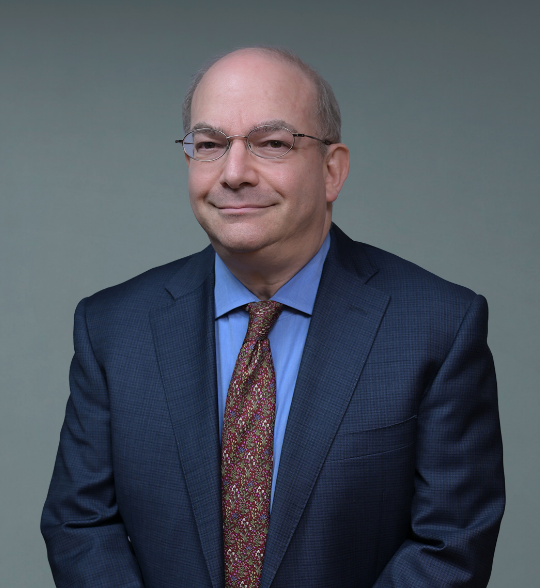

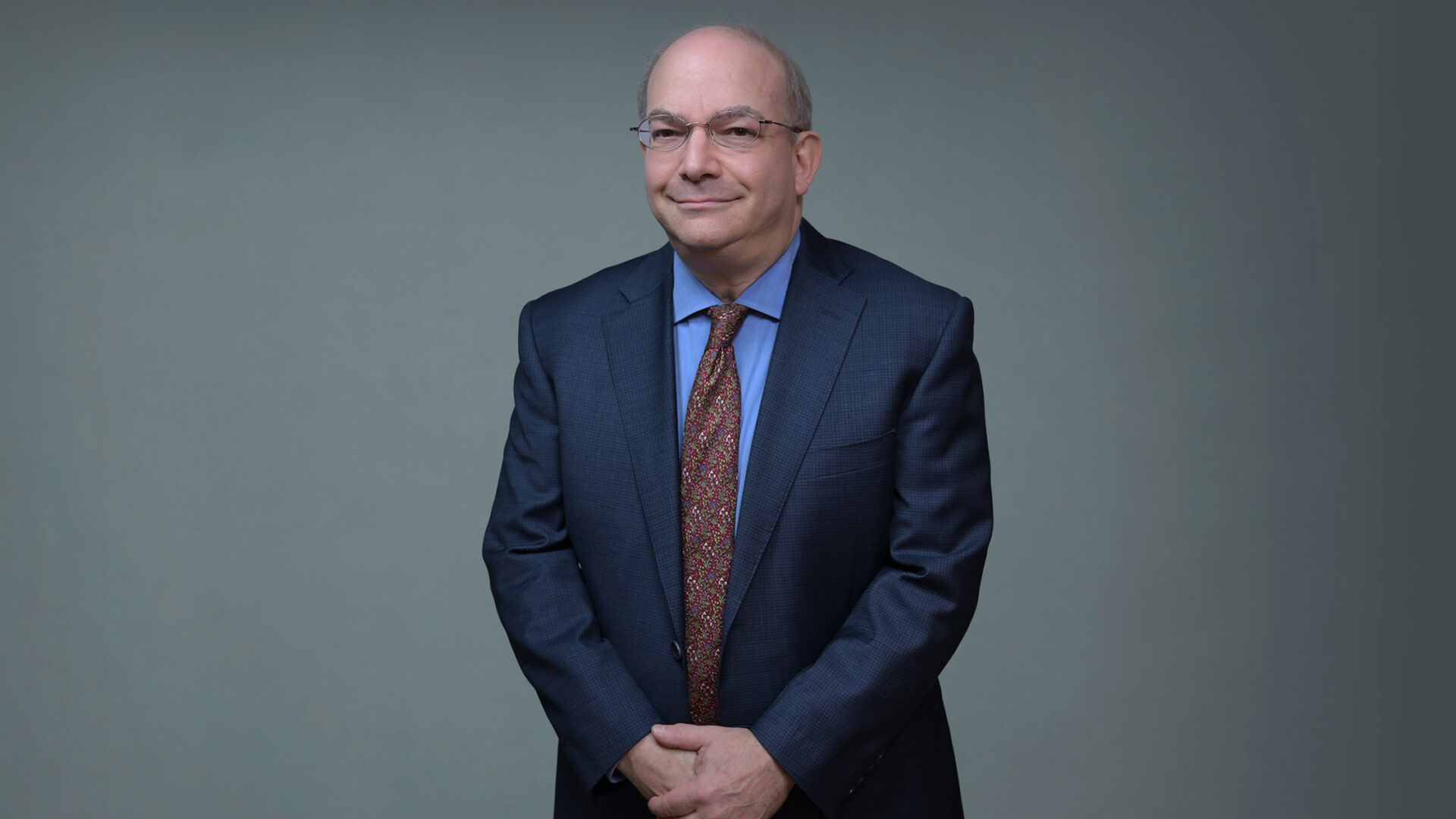
Acclaimed psychiatrist, Joshua A. Berman, MD, PhD, has joined NYU Langone Health as director of interventional psychiatry.
A renowned leader in complex psychiatric treatment, Dr. Berman is widely regarded for his extensive clinical expertise in neuromodulation, including electroconvulsive therapy (ECT), transcranial magnetic stimulation (TMS), and deep brain stimulation, as well as ketamine and esketamine for treatment-resistant depression, bipolar disorder, and other severe psychiatric illnesses. Previously, Dr. Berman led Columbia University Medical Center’s inpatient and continuation ECT program and its ketamine and TMS services, boasting a decades-long career in treating patients with the latest available therapies.
Here, he discusses his commitment to building a comprehensive, integrated interventional psychiatry service centered on innovation and precision care.
Physician Focus: What inspired you to accept a position at NYU Langone?
Dr. Berman: I was drawn to the opportunity because of the institution’s interest in building a unified and comprehensive interventional psychiatry service, which is essential for providing patient-centered care.
“The aim is not simply to meet the standard of care, but to go the next step and offer novel approaches.”
Joshua A. Berman, MD, PhD
A comprehensive program allows us to present patients with a range of treatment options that can be combined, as opposed to specializing in a particular intervention or modality. We have an outstanding clinical team, a strong ECT program, and the capacity to offer ketamine, esketamine, and TMS, along with emerging treatments such as PRocess-Instructed Self neuro-Modulation (PRISM) neurofeedback. Our proximity to NYU Langone’s Center for Psychedelic Medicine Research also positions us to explore the future integration of psychedelic therapies as clinical options for appropriate patients.
The aim is not simply to meet the standard of care, but to go the next step and offer novel approaches.
Physician Focus: What are your top priorities as director of interventional psychiatry, and why?
Dr. Berman: My top priority is to build a cutting-edge clinical service supported by a dedicated team. As the clinical program grows, my goal is to fully integrate it with our educational and research missions. As an academic medical center with a rich research community, there’s an opportunity to create an innovative service where providers can translate research from the lab to treatments in a clinical setting rapidly and safely.
“The environment here is hyper-collaborative.”
The environment here is hyper-collaborative. In a short time, I’ve connected with colleagues in neurosurgery, neuroscience, neurology, and across all branches of psychiatry. There’s a shared enthusiasm for working together to develop a truly comprehensive service that incorporates innovative treatments as they develop while providing a robust educational setting for medical students and residents.
Through close collaboration with neurosurgery, neurology, anesthesiology, and other departments, we can offer interventions that are often unavailable in typical outpatient interventional centers or traditional psychiatric settings.
In many cases, these innovations will build on existing therapies by adding a layer of sophistication—such as using brain imaging or EEG to guide repetitive TMS (rTMS), or by strategically sequencing different interventional treatments to optimize outcomes. We hope to be well positioned to provide this level of precision, guided by principles of safety, efficacy, and ethical practice.
Physician Focus: What do you consider to be the biggest challenge in the field of interventional psychiatry? How will NYU Langone and your work aim to address them?
Dr. Berman: One of the biggest challenges in interventional psychiatry is that we’re often treating patients with syndromes rather than a single illness. These syndromes can involve tens or even hundreds of contributing factors that lead to the presentation of a psychiatric illness. Moreover, every patient is different, which presents a challenge to determining whether an intervention we’re offering is appropriate.
“My goal is to provide patients with a range of options in a single setting, guided by clinical algorithms and aligned with their goals and preferences.”
To support informed, shared decision-making with patients along their treatment journey, we will be collecting population-level data. NYU Langone has a strong Psychiatry Computational Research Program and computational neuroscience program to support analysis.
These data may help us identify patterns and answer important questions, such as: What is the optimal way to sequence interventions? How should we integrate novel treatments, like PRISM neurofeedback and Theta Burst Stimulation, to address comorbidities like anxiety spectrum disorders and trauma? How can we best combine interventional approaches with advanced psychopharmacology?
We’re in the early stages now of assembling our armamentarium, but in short order, we will have a program that offers all the different modalities—from traditional interventional treatments to emerging approaches such as low-intensity focused ultrasound and neurosurgical interventions for deep brain stimulation.
My goal is to provide patients with a range of options in a single setting, guided by clinical algorithms and aligned with their goals and preferences, which can greatly impact treatment outcomes.