

Referral Notes:
- NYU Langone Orthopedics specialists have introduced their surgeon-specific anesthesia protocols to NYU Langone Hospital—Suffolk, increasing same-day discharge for total joint replacements from zero to 80 percent.
- Anesthesia is now tailored to each surgeon’s case duration using medical record data to avoid oversedation and speed recovery.
- The initiative lays groundwork for the planned 2026 opening of an ambulatory surgery center, with same-day discharge built in from day one.
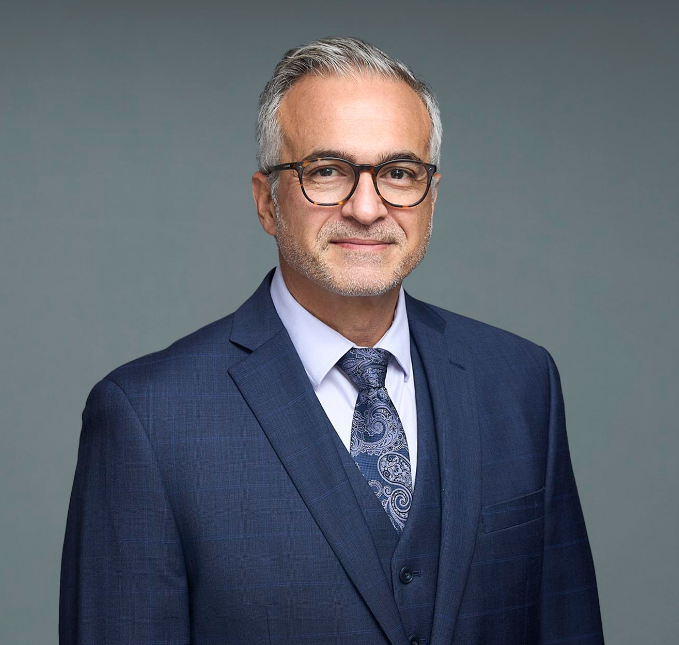
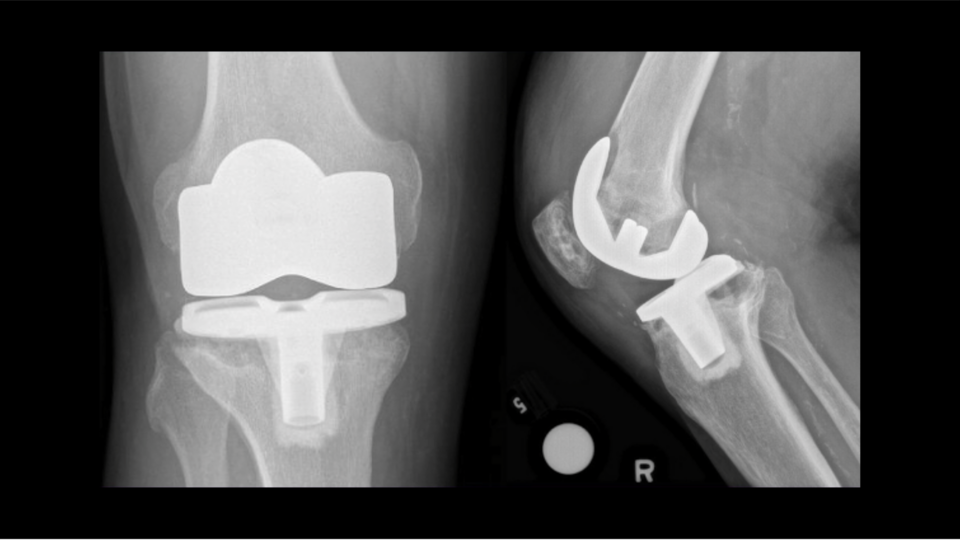
At NYU Langone Hospital—Suffolk, a collaborative new protocol is helping to redefine recovery following total joint replacement and other orthopedic surgeries. By aligning anesthesia with each surgeon’s average operative time, Richard Savino, MD, the site’s chief of orthopedic surgery, and colleagues are sending more patients home the same day—with fewer complications, lower readmission rates, and higher satisfaction scores.
“When I arrived in 2023, all total joint patients were still staying overnight,” says Dr. Savino. “Today, 80 percent of our patients go home the same day.”
The catalyst: a hospital-wide effort to tailor anesthesia to the actual duration of each case. Utilizing electronic medical record data, the anesthesia team now adjusts both anesthetic agent and dose to match each surgeon’s typical procedure duration and the complexity of each case. The approach, practiced across other NYU Langone Orthopedics sites, prevents prolonged sedation, making patients more responsive to early mobilization efforts.
“We’re treating anesthesia like an instrument to optimize discharge.”
Richard Savino, MD
“The less time you spend in the hospital, the better you tend to do,” notes Dr. Savino. “We’re demonstrating the role of the anesthetic plan in reducing hospital time for every patient.”
System-Wide Coordination Drives Results
In regular meetings with anesthesia, nursing, and physical therapy, Dr. Savino’s team analyzes patient data to fine-tune the protocol. When one surgeon’s total hip replacements average 45 minutes while another’s take 90 minutes, the anesthesia protocol is not the same. “We’re treating anesthesia like an instrument to optimize discharge,” he explains.
In parallel, therapy teams have been aligned to show up when a patient is awake and ready, not before, reducing delays. Reports track how often patients clear physical therapy on the first try versus requiring additional sessions—and whether lingering sedation is a contributing factor. “Every minute saved counts,” says Dr. Savino. “It can mean the difference between a patient going home or staying the night to receive their therapy in the morning.”
“Every minute saved counts.”
The impact of this and several other quality improvement initiatives happening at Suffolk is measurable: Postoperative deep vein thrombosis rates have fallen near zero, while readmissions and infections have also decreased significantly. Patient-reported satisfaction has risen to historic highs while cases overall have grown from about 700 to over 2,200 annually.
Laying the Groundwork for Ambulatory Expansion
As the team in Suffolk prepares to open an ambulatory surgery center in 2026, the anesthesia protocol has laid critical groundwork. “We won’t even have the option to keep patients overnight in a surgery center,” notes Dr. Savino. “We’re using the hospital as a training ground, treating it like an ambulatory center today so we’re ready for the realities of the new location.”
Efforts to standardize operative trays, streamline instruments, and reduce intraoperative delays have complemented the anesthesia refinements. Beyond joints, the model is expanding to surgeries such as hand procedures, with 8 to 12 cases per day in that specialty utilizing a similar custom anesthesia protocol.
Dr. Savino adds that these initiatives are about more than efficiency—it’s about aligning every phase of surgery toward safety. “Each minute a wound is open increases the patient’s infection risk,” he says. “This protocol and our other initiatives are reducing that risk, improving recovery, and getting people back to their lives, faster.”